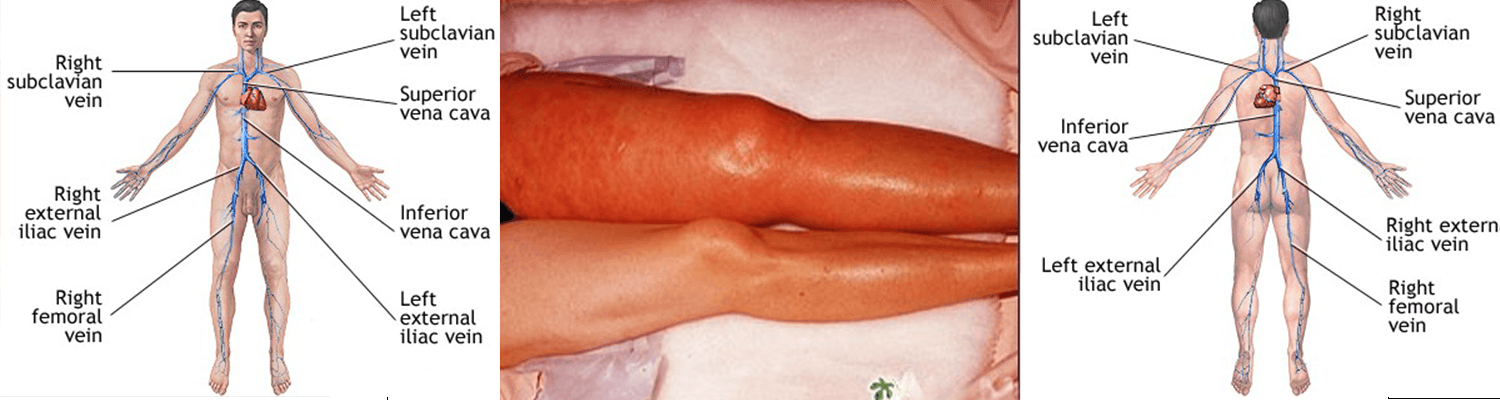
Deep vein thrombosis is a blood clot in a vein located deep within your body, usually in your leg. Get treatment right away so you can prevent serious complications. Treatments include medicines, compression stockings and surgery. Be patient. You may need to take medicine for a few months and wear compression stockings for two years.
What is deep vein thrombosis?
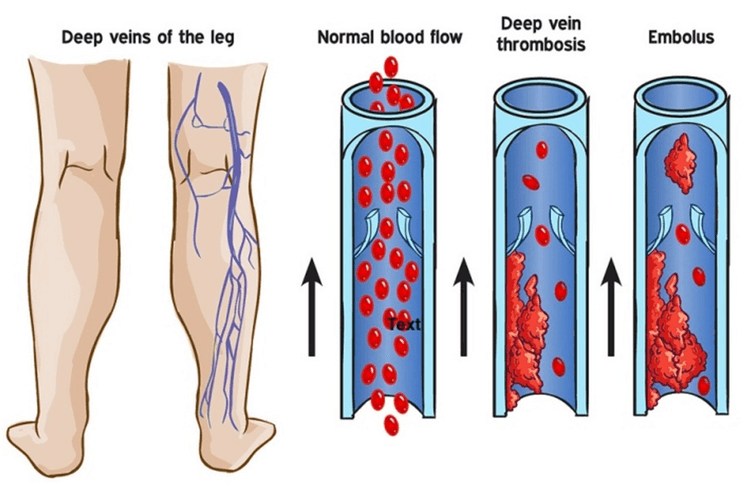
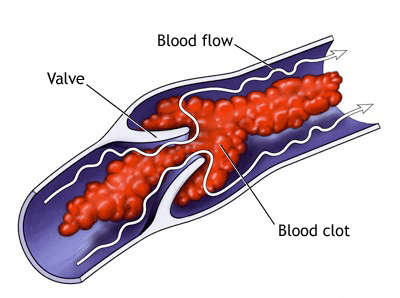
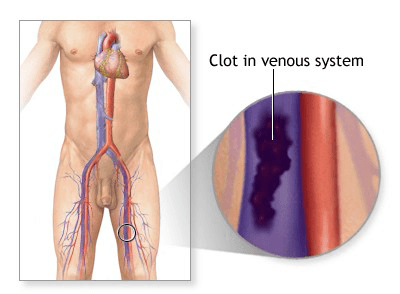
Deep vein thrombosis (DVT, also called venous thrombosis) occurs when a thrombus (blood clot) develops in veins deep in your body because your veins are injured or the blood flowing through them is too sluggish. The blood clots may partially or completely block blood flow through your vein. Most DVTs happen in your lower leg, thigh or pelvis, but they also can occur in other parts of your body including your arm, brain, intestines, liver or kidney.
What is the danger of DVT?
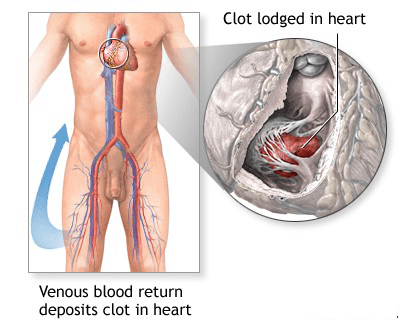
Even though DVT itself is not life-threatening, the blood clots have the potential to break free and travel through your bloodstream. A pulmonary embolism (PE) happens when the traveling blood clots (emboli) become lodged in the blood vessels of your lung. Since this can be a life-threatening condition, you need a quick diagnosis and treatment.
As many as half of those who get a DVT in their legs develop symptoms of intermittent leg pain and swelling that may last months to years. These symptoms are called post-thrombotic syndrome and can happen because of damage to the valves. For that region develop chronic venous insufficiency (CVI) , chronic DVT, recurrent thrombosis, pulmonary hypertension, chronic pain and swelling of leg, leg ulcers known as venous stasis ulcers etc.
What are the symptoms of deep vein thrombosis?
A DVT usually forms in the veins of your legs or arms. Up to 30% of people with a DVT don’t have symptoms, but sometimes the symptoms are very mild and may not raise concern. The symptoms associated with an acute DVT include:
- Pain or tenderness in your leg or arm (may only happen when standing or walking).
- The area of your leg or arm that’s swollen or hurts may be warmer than usual.
- Skin that’s red or discolored.
- The veins near your skin’s surface may be larger than normal.
- Abdominal pain or flank pain (when blood clots affect the veins deep inside your abdomen).
- Severe headache (usually of sudden onset) and/or seizures (when blood clots affect the veins of your brain).
Some people don’t know they have a DVT until the clot moves from their leg or arm and travels to their lung. Symptoms of acute PE include chest pain, shortness of breath, cough with blood, lightheadedness and fainting.
It’s important to call your doctor right away or go to the emergency room if you have symptoms of a DVT. Don’t wait to see if your symptoms go away. Get treatment right away to prevent serious complications.
Who is more likely to get DVT (deep vein thrombosis)
Anyone can develop DVT, but the risk increases with age. You’re also more likely to get DVT if you:
Risk factors for DVT
- Not moving for long periods of time, like sitting for a long time on trips in a car, truck, bus, train or airplane or being immobile after surgery or stroke
- Major surgery especially lower limb, pelvic surgery
- Major trauma
- Have had DVT, a pulmonary embolism or a blood clot before
- Have a family history of DVT, pulmonary embolism or blood clots
- You have damaged blood vessels – for example, due to injury or a condition like varicose veins
- Are pregnant or have given birth in the last 6 weeks
- Take the contraceptive pill or hormone replacement therapy (HRT)
- Are receiving chemotherapy or radiotherapy
- Have cancer
- Coagulopathy
- Have heart or lung disease or nephrotic syndrome
- Smoke
- Advanced age
- Having a central venous catheter or pacemaker
- Having COVID-19
- Are overweight or obese
Sometimes DVT can happen for no obvious reason.
Investigation to diagnose a DVT
Duplex venous ultrasound
This is the most common test for diagnosing a DVT because it is non-invasive and widely available. This test uses ultrasound waves to show blood flow and blood clots in your veins. A vascular ultrasound technologist applies pressure while scanning your arm or leg. If the pressure doesn’t make your vein compress, it could mean there’s a blood clot. If the results of the duplex ultrasound aren’t clear, your provider can use another imaging test.
D-dimer
Coagulation study:
- Antithrombin
- Protein C
- Protein S
- Factor V
- Antiphospholipid antibody
Venography
In this invasive test, your provider numbs the skin of your neck or groin and uses a catheter to inject a special dye (contrast material) into your veins to see if any blood clots are partially or completely blocking blood flow inside your veins. Venography is rarely used nowadays, but sometimes it is necessary.
Magnetic Resonance Imaging (MRI) or Magnetic Resonance Venography (MRV)
MRI shows pictures of organs and structures inside your body. MRV shows pictures of the veins in specific locations in your body. In many cases, MRI and MRV can offer more information than a duplex ultrasound or CT scan.
Computed tomography (CT) scan
Computed tomography (CT) scan is a type of X-ray that shows structures inside your body. Your provider may use a CT scan to find a DVT in your abdomen, pelvis or brain, as well as blood clots in your lung (pulmonary embolism).
Treatment for DVT
There are a few ways to treat DVT. Vascular specialist will decide the best way to treat your symptoms.
Raise your leg
If you have DVT in your leg, you may be advised to raise it whenever you’re resting. This helps to relieve pressure in the veins of the calf and stops blood and fluid pooling in the calf. When raising your leg, make sure your foot is higher than your hip. To do this, you can put a cushion underneath your leg whilst you’re lying down.
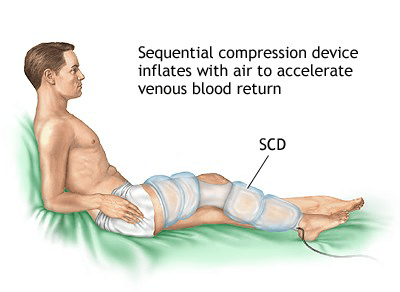
Compression socks
You’ll be prescribed compression socks to treat DVT. These are knee-high elastic socks that help your blood circulation. Compression socks can improve the symptoms of DVT, including pain and swelling. They can also help to prevent complications of DVT. Once you’ve been prescribed compression socks, your healthcare team may advise you to walk regularly. This can help to prevent symptoms of DVT and reduce or prevent complications.
Anticoagulant medicines
Anticoagulant medicines are used to treat DVT. These can include unfractionated heparin, LMWH or Rivaroxaban. Anticoagulants are often referred to as “blood-thinning” medicines, but they don’t actually thin the blood. They alter proteins within it, which prevents clots forming so easily.
Thrombolysis:
Streptokinase, Urokinase
Surgery /Intervention
Some people may need surgery to treat DVT.
- Mechanical thrombolysis
- Thrombectomy
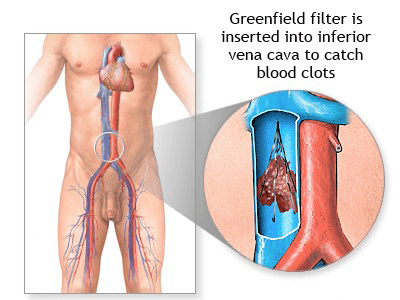
- IVC filter – If contraindicated for anticoagulation
How to prevent DVT (deep vein thrombosis)
There are things you can do to lower your chance of getting DVT (deep vein thrombosis).
Do
- Stay a healthy weight.
- Stay active taking regular walks can help.
- Drink plenty of fluids to avoid dehydration DVT is more likely if you're dehydrated.
Don't
- Do not sit still for long periods of time – get up and move around every hour or so.
- Do not cross your legs while you're sitting.
- Do not smoke.
- Do not drink lots of alcohol.
A note from vascular specialist Dr Samaresh Chandra Saha
If you have a deep vein thrombosis, you’re not alone. Several treatments can help, and vascular specialist can customize your care to your situation. If they prescribe blood thinners, be sure to keep up with all of your follow-up appointments so you know you’re getting the correct dose.
Vascular disease may affect your life in big and small ways. vascular specialists treat the many types of vascular disease so you can focus on living.
